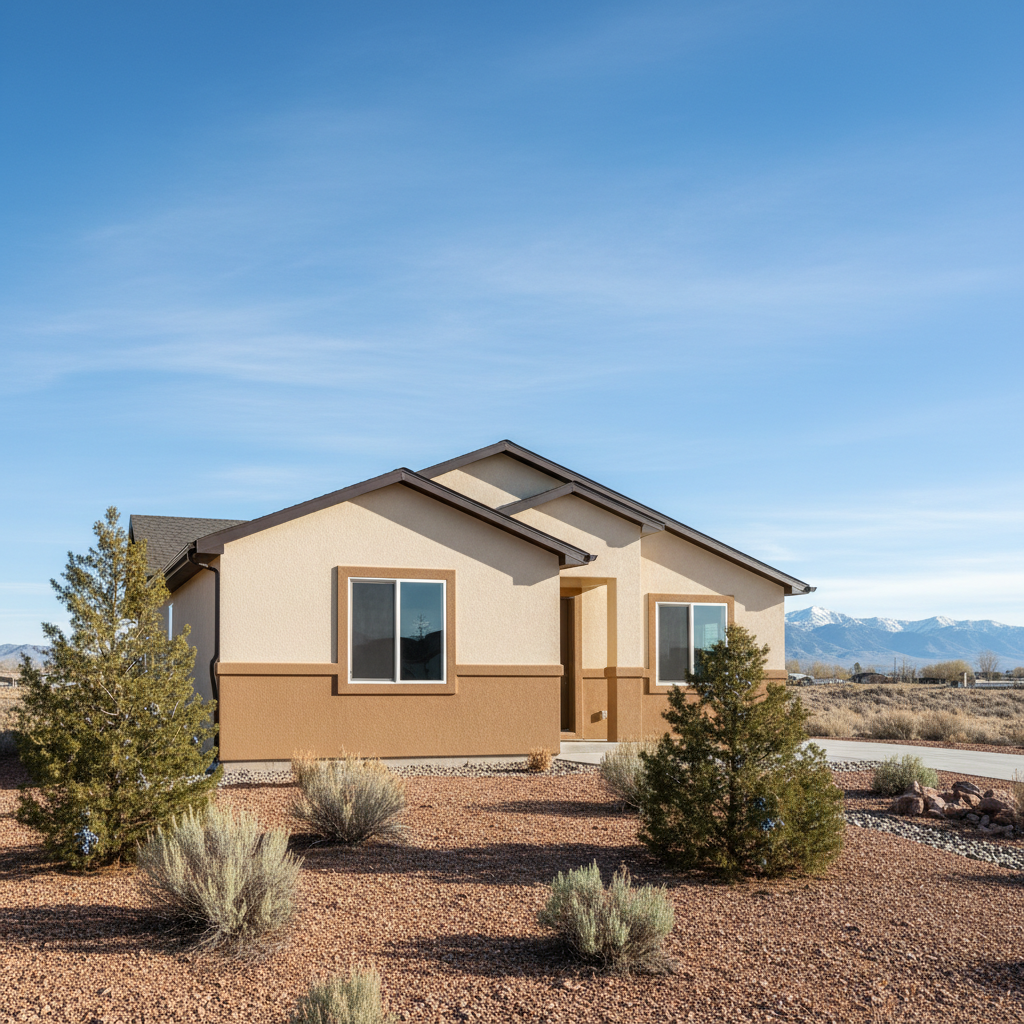
When's the best time to get stucco work done on your Taylorsville home? That's a question I get a lot, and honestly, it's a really good one. See, stucco isn't just about slapping some material on a wall; it's a chemical process, and it's super sensitive to the weather. Getting the timing right can make all the difference in how long your stucco lasts and, let's be real, how good it looks.
Why Taylorsville Weather Matters for Stucco
Our local climate here in Taylorsville, with its hot, dry summers and cold, snowy winters, really dictates when we can do quality stucco work. You might think, "Just do it whenever!" but that's a recipe for problems down the road, trust me. Stucco needs specific conditions to cure properly. It's kind of like baking a cake; you can't just throw it in the oven at any temperature and expect it to turn out right, can you?
The Ideal Stucco Seasons
Generally, I tell folks that spring and fall are your best bets for stucco installation or major repairs around here. Why?
Spring (April to early June): This is prime time. The temperatures are usually moderate – not too hot, not too cold. We get some rain, which actually helps with the curing process by keeping the stucco from drying out too fast. But it's usually not so much that it washes away fresh material. The ground isn't frozen, and we're past the worst of the winter moisture.
Fall (September to October): Another excellent window. The intense summer heat has died down, but we haven't hit the freezing temperatures yet. The air is often crisp, and there's less chance of sudden, heavy downpours than in spring. This lets the stucco dry and harden at a consistent rate, which is crucial for its strength and durability.
When to Be Cautious (or Avoid Stucco Work)
Now, let's talk about the times when you need to be more careful, or even avoid stucco work entirely:
Summer (July to August): It gets brutally hot here, doesn't it? Those 90-degree-plus days we see often, especially down near the Redwood Road corridor, are tough on fresh stucco. High heat can cause the stucco to dry too quickly, leading to cracking, poor adhesion, and a weaker finish. If we absolutely have to work in summer, we take extra precautions like misting the walls, working in shaded areas, or starting super early in the morning. But honestly, it's not ideal.
Winter (November to March): This is a definite no-go for most exterior stucco work. Freezing temperatures are the enemy. If stucco freezes before it's fully cured, the water inside expands, causing it to delaminate, crack, and lose its structural integrity. Even if it doesn't freeze, the cold slows down the curing process so much that it's just not practical or safe to do the work properly. You're just asking for trouble.
Protecting Your Stucco Investment Year-Round
Once your stucco is up, you've got to protect it. It's not a set-it-and-forget-it kind of thing, especially with our climate swings.
Keep an Eye on Drainage: This is huge. Make sure your gutters are clean and directing water away from your foundation. Water pooling around the base of your stucco is a big problem. Also, check your landscaping; plants growing directly against the stucco can trap moisture and cause issues.
Look for Cracks: Small hairline cracks are pretty normal with stucco as a house settles and temperatures change. But if you see cracks that are wider than a credit card, or if they're running in a spiderweb pattern, you need to get them checked out. Water can get in there and cause serious damage, especially during our freeze-thaw cycles.
Clean Regularly: A gentle wash with a hose and a soft brush can do wonders. Don't use a high-pressure washer; it can damage the stucco surface. Just get rid of the dirt, dust, and any mildew that might be forming.
Address Leaks Promptly: Check around windows, doors, and rooflines for any signs of water intrusion. If you see staining or dampness, get it fixed right away. Water is stucco's biggest enemy.
Consider a Fresh Coat of Paint/Elastomeric Coating: Every 5-10 years, depending on exposure, a good quality elastomeric paint can add an extra layer of protection. It helps seal minor cracks and makes the stucco more resistant to water penetration and UV damage. Elite Stucco Solutions can help you figure out if it's time for this.
Taking care of your stucco isn't a one-time job; it's an ongoing process. But if you schedule your installations and repairs during the right seasons and keep up with regular maintenance, your stucco will protect your home and look great for decades. Don't hesitate to call if you have questions or see something that doesn't look right. It's always better to catch small problems before they become big, expensive ones.